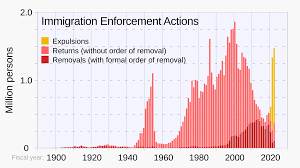
In 2007, the city of Baltimore, Maryland, became a focal point for immigration enforcement efforts in the United States, as federal authorities conducted a series of high-profile arrests targeting undocumented immigrants. The immigration arrests in Baltimore during this period reflected the broader national debate and policy initiatives surrounding immigration enforcement, border security, and the treatment of immigrants living in the country without legal status.

The enforcement actions in Baltimore were part of a wider crackdown on illegal immigration carried out by the U.S. Immigration and Customs Enforcement (ICE) agency, under the direction of the Department of Homeland Security. The arrests targeted individuals suspected of violating immigration laws, including those who had entered the country without authorization, overstayed their visas, or committed crimes that made them deportable under U.S. immigration statutes.

The immigration arrests in Baltimore sparked controversy and raised concerns among immigrant communities, advocacy groups, and local officials about the impact of aggressive enforcement actions on public safety, community relations, and due process rights. Critics of the arrests argued that they instilled fear and uncertainty among immigrant populations, hindered cooperation with law enforcement, and disrupted families and communities.

The arrests also highlighted the complex and often contentious nature of immigration enforcement at the local level, where jurisdictions grappled with balancing federal mandates, public safety concerns, and community relations. Some local officials and law enforcement agencies in Baltimore expressed reservations about collaborating with federal authorities on immigration enforcement, citing potential negative consequences for community trust and public safety.

The immigration arrests in Baltimore underscored the challenges and dilemmas faced by cities and states across the country in navigating the intersection of federal immigration policy and local governance. The enforcement actions raised questions about the role of local law enforcement in carrying out federal immigration laws, the impact of immigration enforcement on community policing efforts, and the need for comprehensive immigration reform to address the root causes of unauthorized migration.

The arrests also shed light on the experiences of undocumented immigrants living in Baltimore and the broader United States, many of whom faced the constant threat of detention, deportation, and family separation. The immigration enforcement actions in Baltimore highlighted the vulnerability and marginalization of immigrant communities, as well as the resilience and solidarity displayed by advocates, organizers, and allies working to protect and support those affected by the arrests.

In response to the immigration arrests in Baltimore and the broader national debate on immigration policy, advocacy groups, faith-based organizations, and community leaders mobilized to raise awareness, provide legal assistance, and advocate for the rights of immigrants facing detention and deportation. These efforts sought to challenge the narrative of criminality and illegality often associated with undocumented immigrants and promote a more compassionate and inclusive approach to immigration policy and enforcement.