In 1992, the city of Los Angeles was engulfed in a wave of rioting and civil unrest following the acquittal of four police officers in the brutal beating of Rodney King, an African American motorist. The riots, which lasted for six days and spread across the city, laid bare deep-seated racial tensions, economic disparities, and social injustices that had simmered beneath the surface of Los Angeles for decades, leading to a period of chaos, violence, and upheaval that left a lasting impact on the city and its residents.

The catalyst for the 1992 Los Angeles riots was the beating of Rodney King by four LAPD officers during a traffic stop in March 1991. The incident, which was captured on video by a bystander and broadcast on television, shocked the nation with its graphic depiction of police brutality and racial profiling. Despite the overwhelming evidence against them, the four officers were acquitted of all charges in April 1992, sparking outrage and anger among the city\'s African American community and other marginalized groups who had long suffered from systemic racism and police violence.

The acquittal of the officers in the Rodney King case served as a flashpoint for simmering tensions in Los Angeles, leading to widespread protests, demonstrations, and acts of civil disobedience in the days following the verdict. What began as peaceful protests quickly escalated into violence and looting as anger and frustration boiled over, fueled by years of racial discrimination, economic inequality, and social alienation experienced by minority communities in the city.

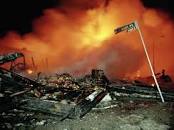
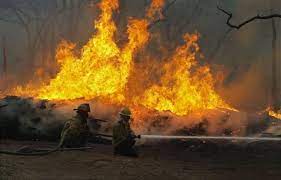
The riots that erupted in Los Angeles in 1992 were characterized by widespread looting, arson, and violence that spread across the city, resulting in chaos and destruction on a scale not seen since the Watts riots of 1965. Businesses were looted and destroyed, homes were set ablaze, and innocent bystanders were caught in the crossfire as law enforcement struggled to maintain order and restore peace to the embattled city. The National Guard was called in to assist local authorities, and a curfew was imposed in an attempt to quell the violence and protect residents from harm.

The images of the Los Angeles riots, broadcast on television screens around the world, served as a stark reminder of the deep-rooted social and economic inequalities that plagued the city and fueled the flames of discontent and unrest. The riots exposed the fault lines of race, class, and power in Los Angeles, laying bare the stark disparities between the haves and the have-nots, the privileged and the marginalized, and the powerful and the disenfranchised.

In the aftermath of the riots, Los Angeles was left scarred and traumatized, with communities torn apart and trust in law enforcement shattered. The city grappled with the task of rebuilding and healing the wounds inflicted by the violence, addressing the underlying issues of poverty, racism, and inequality that had fueled the unrest, and working towards a more just and inclusive society for all residents.

The 1992 Los Angeles riots served as a wake-up call for the city and the nation, prompting soul-searching and reflection on the root causes of social unrest and the need for systemic change. The legacy of the riots lives on in the collective memory of Los Angeles and its residents, serving as a reminder of the power of community, solidarity, and resilience in the face of adversity, and a call to action to address the injustices that continue to plague our society.