On May 2, 1927, the United States was in the midst of the Prohibition era, a period in American history characterized by the nationwide ban on the production, transportation, and sale of alcoholic beverages. The Prohibition era, which began with the ratification of the 18th Amendment to the U.S. Constitution in 1920, aimed to curb the social ills associated with alcohol consumption, such as crime, corruption, and public health issues. However, the implementation of Prohibition had far-reaching consequences that impacted American society, politics, and culture in profound ways.

The roots of Prohibition can be traced back to the temperance movement, a social reform movement that emerged in the 19th century in response to the perceived negative effects of alcohol on individuals and society. Prohibitionists argued that alcohol consumption led to a range of social problems, including domestic violence, poverty, and moral decay, and advocated for the prohibition of alcohol as a means of promoting public health and morality. The passage of the 18th Amendment in 1919 and the Volstead Act in 1920 effectively banned the manufacture, sale, and distribution of alcoholic beverages in the United States, ushering in the era of Prohibition.

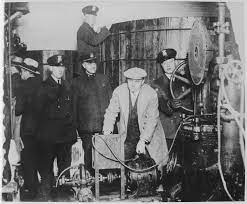
The implementation of Prohibition had a profound impact on American society, leading to a range of unintended consequences that shaped the course of the era. The ban on alcohol production and sales fueled the rise of organized crime and bootlegging, as criminal syndicates smuggled and distributed illicit alcohol to meet the demand of consumers seeking to circumvent the law. Speakeasies, underground bars and clubs that operated illegally, proliferated in cities across the country, providing a clandestine outlet for those seeking to drink alcohol in defiance of Prohibition.

The enforcement of Prohibition also strained law enforcement resources, as federal agents and local authorities struggled to police the vast network of illegal alcohol production and distribution that had emerged in response to the ban. The era of Prohibition saw a rise in corruption, bribery, and violence as criminal organizations and law enforcement officials clashed over control of the lucrative bootlegging trade. The cat-and-mouse game between authorities and bootleggers played out in cities and towns throughout the country, leading to a cycle of crime and violence that eroded public trust in the government\'s ability to enforce the law.

Despite the intentions of Prohibition to promote public health and morality, the ban on alcohol had unintended consequences that extended beyond the realm of crime and corruption. The closure of legal saloons and bars led to the loss of jobs and tax revenue, while the rise of illicit alcohol production and distribution posed serious public health risks, as unregulated and often dangerous substances were consumed by unsuspecting consumers. The social fabric of American society was strained as communities grappled with the impact of Prohibition on their daily lives and livelihoods.

By the time of May 2, 1927, Prohibition had been in effect for several years, and the social, economic, and political consequences of the ban on alcohol were becoming increasingly apparent. Calls for the repeal of Prohibition grew louder as the negative effects of the ban became more pronounced, leading to the eventual ratification of the 21st Amendment in 1933, which repealed the 18th Amendment and effectively ended Prohibition in the United States.