In 1950, the United States witnessed a significant labor dispute that captured national attention as the Chrysler strike, which had been ongoing for several weeks, came to an end, bringing relief to workers, management, and the American public. The Chrysler strike of 1950 was a pivotal moment in labor history, highlighting the tensions between labor unions and management in the post-World War II era and underscoring the importance of collective bargaining and worker rights in American society.

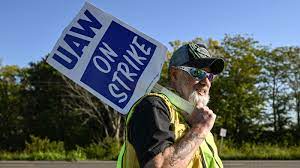
The Chrysler strike of 1950 was the result of a breakdown in negotiations between the United Auto Workers (UAW) union and Chrysler management over issues such as wages, working conditions, and job security. The strike, which began in the spring of 1950, paralyzed production at Chrysler factories across the country, leading to significant disruptions in the automotive industry and putting pressure on both sides to reach a resolution. The strike garnered widespread media coverage and public attention, as workers and management clashed over the terms of a new labor agreement.

The Chrysler strike of 1950 highlighted the power dynamics at play in the relationship between labor unions and management in the postwar era. The UAW, led by Walter Reuther, sought to secure better wages, benefits, and working conditions for its members, who played a crucial role in the booming automotive industry. Chrysler, on the other hand, faced pressure to maintain profitability and competitiveness in a rapidly changing economic landscape, leading to a standoff between labor and management over the terms of a new labor contract.

As the Chrysler strike dragged on, tensions mounted between workers on the picket lines and management at the negotiating table, leading to a stalemate that threatened to prolong the dispute indefinitely. The strike had far-reaching implications for the American economy, as disruptions in the automotive industry reverberated across related sectors, impacting suppliers, dealers, and consumers alike. The strike also raised broader questions about the role of labor unions in shaping workplace conditions and economic policy, sparking debates about the rights of workers to organize and bargain collectively for fair wages and benefits.

The end of the Chrysler strike in 1950 marked a turning point in the labor movement and the automotive industry, as workers and management came to a tentative agreement that addressed key issues of contention and allowed production to resume at Chrysler factories. The resolution of the strike was a testament to the power of collective bargaining and the importance of compromise in resolving labor disputes, as both sides made concessions in order to reach a mutually acceptable agreement. The end of the strike brought relief to workers who had been on the picket lines for weeks, as well as to management who sought to restore normal operations and productivity at Chrysler facilities.

The legacy of the Chrysler strike of 1950 continues to resonate in the labor movement and the automotive industry, serving as a reminder of the challenges and opportunities inherent in the relationship between labor unions and management. The strike underscored the importance of fair wages, safe working conditions, and job security for workers, while also highlighting the need for cooperation and dialogue between labor and management to address shared concerns and interests. The end of the Chrysler strike in 1950 marked a victory for workers' rights and collective bargaining, as well as a reminder of the ongoing struggle to balance the needs of workers and employers in a rapidly changing economy.