14 August 1935: Roosevelt Signs the Social Security Act
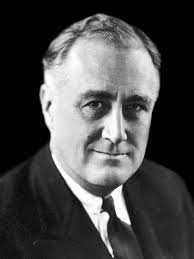
On August 14, 1935, President Franklin D. Roosevelt signed the Social Security Act into law, creating one of the most significant and enduring social programs in American history. The legislation established a system of old-age benefits for workers, benefits for victims of industrial accidents, unemployment insurance, aid for dependent mothers and children, and assistance for the blind and physically disabled.
The Social Security Act was a cornerstone of Roosevelt New Deal, a series of programs and reforms designed to lift the United States out of the Great Depression. Before its passage, there was no federal safety net for elderly Americans, and many faced poverty and destitution in their later years. The economic devastation of the Depression had wiped out the savings of millions, making the need for government intervention increasingly urgent.
The program faced significant opposition from conservatives who argued it was an unconstitutional expansion of federal power and a step toward socialism. Business groups worried about the payroll taxes required to fund the system. However, the widespread suffering caused by the Depression had created overwhelming public support for government action to protect citizens from economic hardship.
Under the original Social Security Act, workers and employers each contributed one percent of wages to the program, with benefits scheduled to begin in 1942. The first monthly Social Security checks were actually distributed ahead of schedule, beginning in January 1940. Ida May Fuller of Ludlow, Vermont, received the first monthly benefit check, in the amount of 22.54 dollars, having contributed a total of 24.75 dollars to the system before her retirement.
Over the decades, Social Security has been expanded significantly. Medicare was added in 1965 to provide health insurance for seniors, and benefits have been extended to cover disability, survivors of deceased workers, and other groups. Cost-of-living adjustments were added in 1972 to protect benefits from inflation. Today, Social Security provides benefits to approximately 70 million Americans and remains the primary source of retirement income for most elderly citizens.
The Social Security Act fundamentally changed the relationship between the American government and its citizens, establishing the principle that the federal government has a responsibility to protect its citizens from economic insecurity. While debates continue about the program long-term financial sustainability and potential reforms, Social Security remains one of the most popular government programs in American history and has lifted millions of seniors out of poverty.