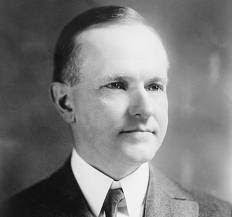
On February 22, 1924, President Calvin Coolidge made history by delivering the first-ever presidential radio address to the American people. This momentous event marked a significant milestone in the evolution of communication and political discourse, ushering in a new era of direct engagement between the President and the public.

Radio was still a relatively new technology in the 1920s, but it was rapidly gaining popularity as a means of mass communication. With its ability to transmit sound over long distances, radio offered a powerful platform for reaching broad audiences and disseminating information in real-time. Recognizing the potential of this emerging medium, President Coolidge seized the opportunity to connect with the American people in a way that had never been done before.

In his inaugural radio address, President Coolidge spoke from the White House, addressing listeners across the country with a message of unity, progress, and optimism. His words were carefully crafted to resonate with the American people, touching on issues of national importance and offering reassurance in the face of uncertainty.

The timing of President Coolidge's radio address was particularly significant, as it coincided with a period of profound social, economic, and political change in the United States. The Roaring Twenties were in full swing, with the country experiencing unprecedented prosperity and technological innovation. However, beneath the surface, there were also growing tensions and challenges, including economic inequality, racial injustice, and the lingering effects of World War I.

Against this backdrop, President Coolidge used the radio address as a platform to address the pressing issues of the day and to offer his vision for the future of the nation. He spoke about the importance of economic growth and fiscal responsibility, highlighting his administration's efforts to promote prosperity and stability. He also emphasized the need for unity and cooperation in addressing the challenges facing the country, calling on Americans to come together in pursuit of common goals.

President Coolidge's radio address was met with widespread acclaim, drawing praise from both political leaders and the general public. It was hailed as a groundbreaking example of presidential leadership and communication, demonstrating the power of radio to transcend geographic boundaries and connect people from all walks of life.

The success of President Coolidge's radio address set a precedent for future presidents, who would go on to use radio as a key tool for communicating with the American people. Throughout the 20th century and into the 21st, radio addresses became a staple of presidential communication, allowing leaders to speak directly to the public on a wide range of issues, from domestic policy to foreign affairs.

In many ways, President Coolidge's inaugural radio address foreshadowed the role that electronic media would come to play in shaping public discourse and political discourse. It paved the way for the rise of other forms of mass communication, such as television and the internet, which would further revolutionize the way that presidents interact with the public.

Today, as we reflect on the significance of President Coolidge's historic radio address, we are reminded of the enduring power of communication to inspire, inform, and unite people in common purpose. While the technology may have evolved since 1924, the fundamental importance of effective presidential communication remains as vital as ever in our increasingly interconnected world