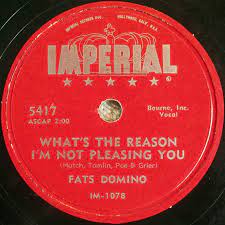
In 1949, a groundbreaking and influential record label was founded in the United States that would leave an indelible mark on the music industry and popular culture: Imperial Records. Established by Lew Chudd, a visionary entrepreneur with a passion for music and a keen eye for talent, Imperial Records quickly rose to prominence as a leading independent label known for its diverse roster of artists, innovative sound, and chart-topping hits.

Imperial Records emerged at a pivotal moment in American music history, as the post-World War II era ushered in a new wave of creativity, experimentation, and cross-cultural influences that transformed the landscape of popular music. With its headquarters in Los Angeles, California, Imperial Records became a hub for emerging artists, songwriters, and producers seeking to push the boundaries of traditional genres and styles and connect with audiences across the country and around the world.

One of the key factors that set Imperial Records apart from other labels of the time was its commitment to nurturing talent and fostering creative freedom among its artists. Lew Chudd's hands-on approach and supportive ethos created a welcoming and collaborative environment that encouraged musicians to explore their artistic vision, experiment with new sounds and genres, and develop their unique voice and style. This approach attracted a diverse array of artists to Imperial Records, from rhythm and blues singers to rock and roll pioneers, country music stars to doo-wop groups, all of whom found a home for their music and a platform to reach a wider audience.

Imperial Records achieved commercial success and critical acclaim with a string of hit singles and albums that resonated with listeners and captured the spirit of the times. The label's roster included iconic artists such as Fats Domino, Ricky Nelson, Slim Whitman, and The Hollywood Flames, who scored chart-topping hits and established themselves as influential figures in the music industry. Fats Domino, in particular, became synonymous with the Imperial Records sound, with his distinctive blend of rhythm and blues, rock and roll, and New Orleans jazz that helped define the label's signature sound.

Imperial Records also played a pivotal role in promoting diversity and inclusivity in the music industry, championing artists from marginalized communities and giving voice to underrepresented voices in popular music. The label's commitment to showcasing a wide range of musical styles and cultural influences helped break down barriers and challenge stereotypes, paving the way for greater representation and recognition of artists from diverse backgrounds in the mainstream music scene.

In addition to its success in the recording industry, Imperial Records made significant contributions to the development of music production and distribution practices, pioneering new techniques and technologies that revolutionized the way music was created, recorded, and marketed. The label's innovative approach to A&R (artist and repertoire) scouting, studio recording, and promotional strategies set new standards for the industry and inspired a generation of musicians, producers, and music executives to push the boundaries of what was possible in the world of music.

Despite its many achievements and contributions to the music industry, Imperial Records faced challenges and changes over the years that ultimately led to its acquisition by other record labels and its eventual dissolution in the late 1970s. However, the legacy of Imperial Records lives on in the music it produced, the artists it nurtured, and the impact it had on shaping the sound and culture of American popular music. The label's pioneering spirit, commitment to artistic excellence, and dedication to diversity and innovation continue to inspire generations of musicians, fans, and industry professionals to push the boundaries of creativity, expression, and collaboration in the pursuit of great music.